

Students/learners select one word to summarize a primary text, then write a paragraph defending their choice.
Individual
09.28.2026
Word Journal
09.28.2026
thINK-pair-share
The instructor poses a question, scenario, or problem, and learners individually think about possible responses (and ideally write their thoughts down). Following the self-reflective time, learners pair up to discuss their answers. Finally, pairs either share their individual thoughts or their collective insights with the whole class.

09.28.2026
Reflective Writing
Learners respond to written prompts that connect learning experiences within the course to other course topics or experiences of the students outside of the classroom. Reflective assignments are most effective when the questions encourage deep metacognitive analysis and are only graded based on effort rather than content.
09.28.2026
Polling
At any point during the class, the instructor can pause to have the learners answer questions anonymously. This can be followed by a chance to compare their answers before repolling to see if there was a change in responses.

09.28.2026
Pair-Square-Share
A variation of Think-Pair-Share in which learners pair with a partner to discuss a question. After a set amount of time, pairs merge to form a group of four to discuss the topic further. Finally, learners share with the whole class.
09.28.2026
Opinion/Knowledge Checklist
The instructor creates a checklist of both the content covered in the course and the skills practiced within the course. Learners use this checklist to assess their interest and knowledge of each item at the beginning of a course. The instructor then uses these assessments to discuss the learners’ interests and preexisting knowledge around each […]

09.28.2026
One-Sentence Summary
Learners are asked to summarize a given topic within the constraints of a single, informative, and grammatically correct sentence. To do so, students identify the important answers to the questions who, what, where, when, why, and how and then condense this information into one sentence for easier recall.

09.28.2026
Muddiest Point
After a lecture, learners are asked to concisely record what is still unclear on a piece of paper. The facilitator collects all the muddiest points and addresses the concerns in the following class by identifying patterns/themes in the responses. Addressing the muddiest points may include a summary of the class’s responses, a discussion, or an […]

09.28.2026
Minute Paper
To identify what learners see as significant learning, an instructor stops class a few minutes early and asks learners to respond briefly to some variation on the following two questions: “What was the most important thing you learned during this class?” and “What important questions remain unanswered?” while students record their answers.

09.28.2026
Jumbled Sequence
This activity focuses on processes. Give learners the steps in a process on jumbled paper strips and ask them to work together to reconstruct the proper sequence. This approach can strengthen learners’ logical thinking processes and test their mental model of a process.

09.25.2026
Gallery Tour
Questions, sample work, statements, or short cases are hung on the walls around the room, and learners are asked to actively engage as they walk through the classroom to share ideas, respond to meaningful questions, or engage with documents, images, artwork, etc.

09.25.2026
Empty Outlines
In a limited amount of time, students complete an empty or partially completed outline of an in-class presentation or homework assignment to test their recall of the materials. When finished, students can compare answers.

09.25.2026
Directed Paraphrasing
Students are asked to paraphrase part of a lesson for a specific audience and purpose, using words that are more accessible to a target audience (e.g., translate highly specialized information into language that clients or customers will understand).
09.25.2026
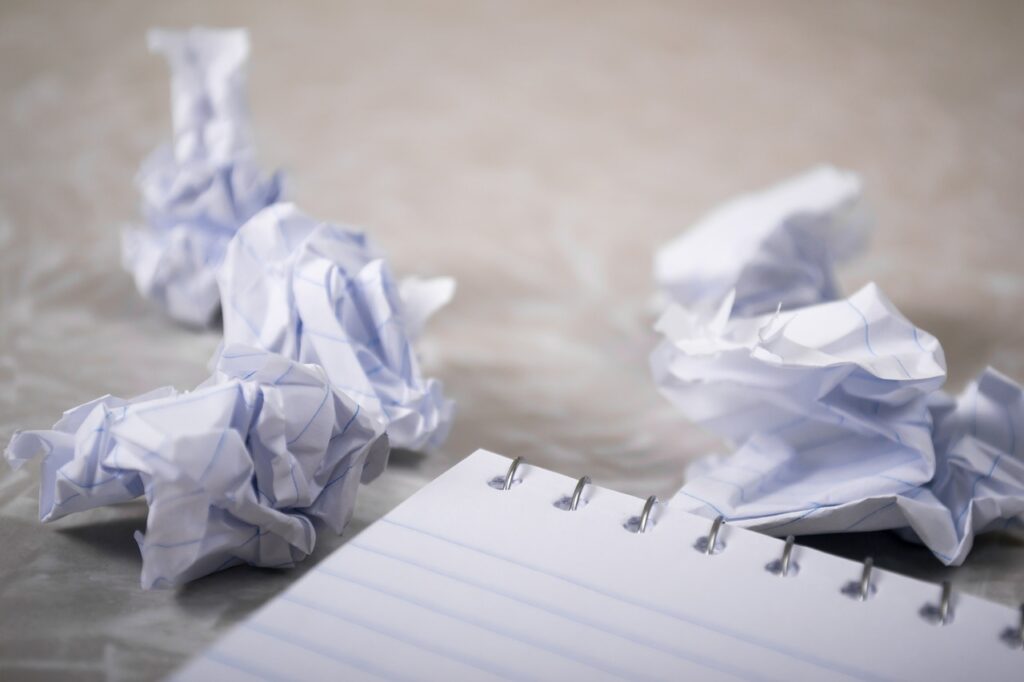
Crowd Crumple
Students write either a question or response to a question on scrap paper. The paper is then crumpled and thrown across the room to another student, who reads the question and offers a response. Crumple and rethrow several times to gather answers.
09.25.2026
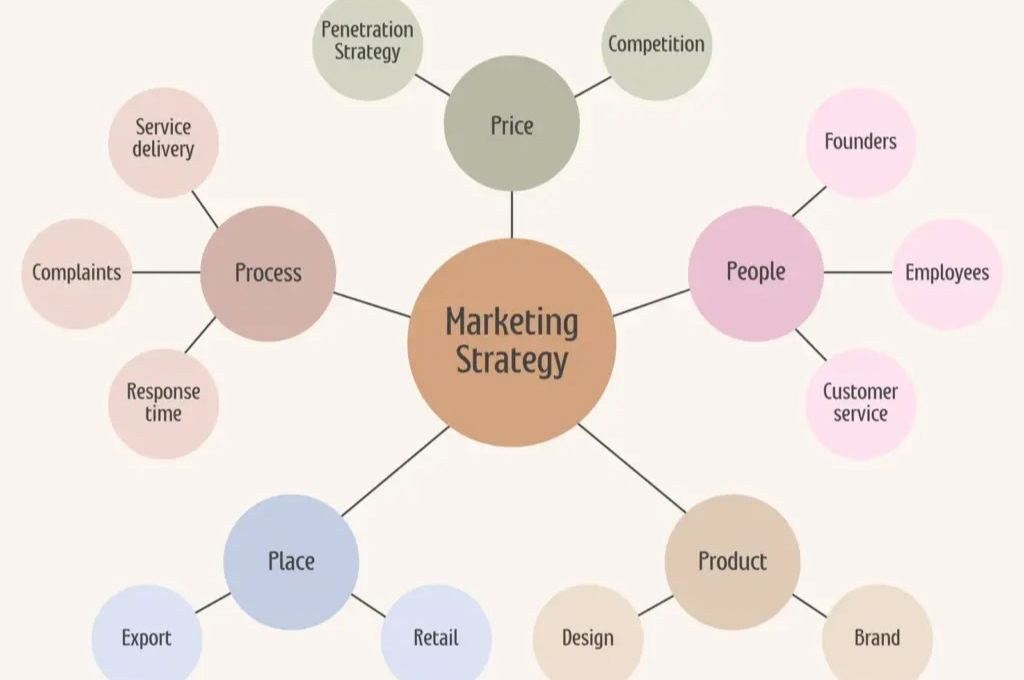
Concept Map
Concept maps are visual representations of relationships among various concepts. Ask students to produce a graphic representation of this relationship using pen and paper, whiteboards, post-its, or concept mapping software (e.g., Coggle)—video with details here.

09.23.2026
Categories Grid
Students are given a grid containing two or three superordinate concepts they’ve been studying, along with a scrambled list of subordinate items. Students/learners sort the subordinate terms into the correct categories quickly.
09.23.2026
Application Cards
Students write down one possible real-world application for a concept they are learning in class. After class, read through the cards for accuracy, practicality, and creativity. Sort into piles, and pick out a broad range of examples that are strong and share with the class.

09.21.2026
Analytic Memos
Students/learners write a brief analysis (typically 1-2 pages) of a specific problem or issue for a stakeholder who needs the students/learners’ analysis to inform decision-making. The writing assignment has a Purpose and an Audience.