

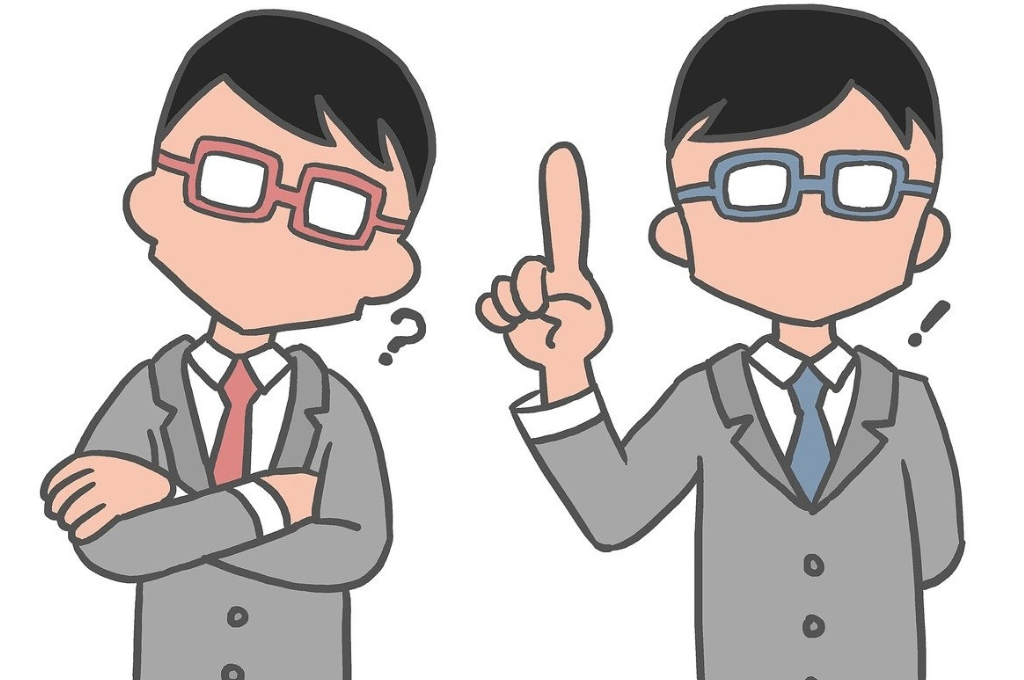
Learners are asked to respond to a statement or an open-ended question with a single word. Once each learner has considered and chosen their word, the instructor directs each student to share their word until every learner has had a chance to contribute before debriefing about the topic more fully.
16-30 Minutes
09.28.2026
Whip Around

09.28.2026
thINK-pair-share
The instructor poses a question, scenario, or problem, and learners individually think about possible responses (and ideally write their thoughts down). Following the self-reflective time, learners pair up to discuss their answers. Finally, pairs either share their individual thoughts or their collective insights with the whole class.

09.28.2026
Ques-cussion
In a Quescussion, learners must engage with an idea using only questions. The instructor starts the discussion with an open-ended question. Participants then respond with ONLY open-ended questions (if someone makes a statement, the whole class shouts “Statement!”). Ideally, every student/learner should contribute, and the questions may be recorded.
09.28.2026
Peer Review
Learners improve their work by reviewing each other’s work using a rubric and constructive feedback modeled by the instructor. As an extension, students reflect on what they learned about their work while reviewing the work of their peers.

09.28.2026
Pair-Square-Share
A variation of Think-Pair-Share in which learners pair with a partner to discuss a question. After a set amount of time, pairs merge to form a group of four to discuss the topic further. Finally, learners share with the whole class.

09.28.2026
Jumbled Sequence
This activity focuses on processes. Give learners the steps in a process on jumbled paper strips and ask them to work together to reconstruct the proper sequence. This approach can strengthen learners’ logical thinking processes and test their mental model of a process.

09.28.2026
Invented Dialogues
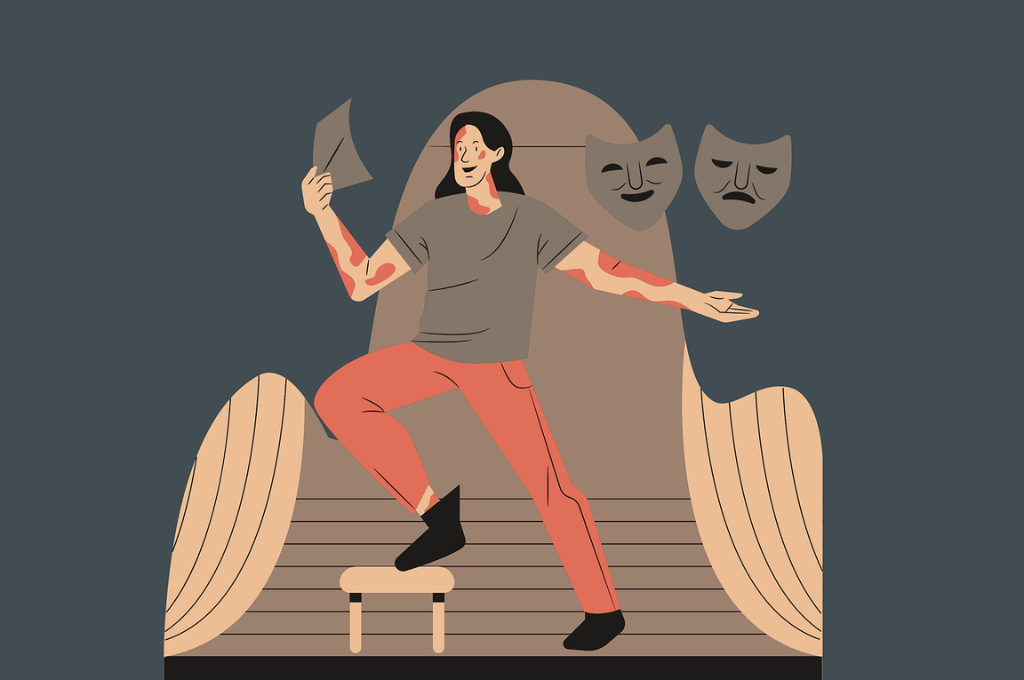
Learners select and weave together quotations from primary sources to create a speech for a character (e.g., literary or historical figure). Speeches are then presented to the class. Active Learning Technique is commonly used in Reacting to the Past games (more here).
09.28.2026
Human Tableau
Groups of students/learners use their minds and bodies to create “living” scenes or model processes to show what they know. This activity can stimulate group discussion and problem-solving depending on what they are asked to model.
09.28.2026
Human Histogram
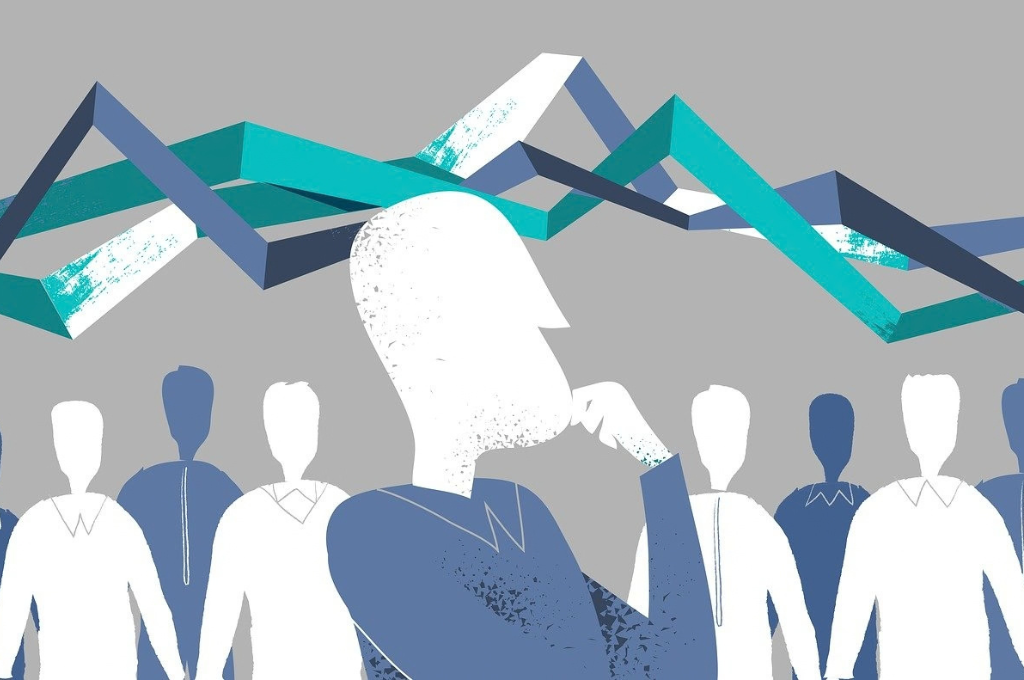
Designate a continuum along one side of the classroom (e.g., strongly agree to strongly disagree). Learners are given a statement or question to respond to, and each student must align themselves single-file along this continuum.

09.25.2026
Group Work Evaluations
Learners who have completed group work evaluate the overall performance of the group and each member’s contributions. Best practices include using guided questions or a rubric and allowing group members to reflect individually before sharing their perspectives publicly.
09.25.2026
Fishbowl
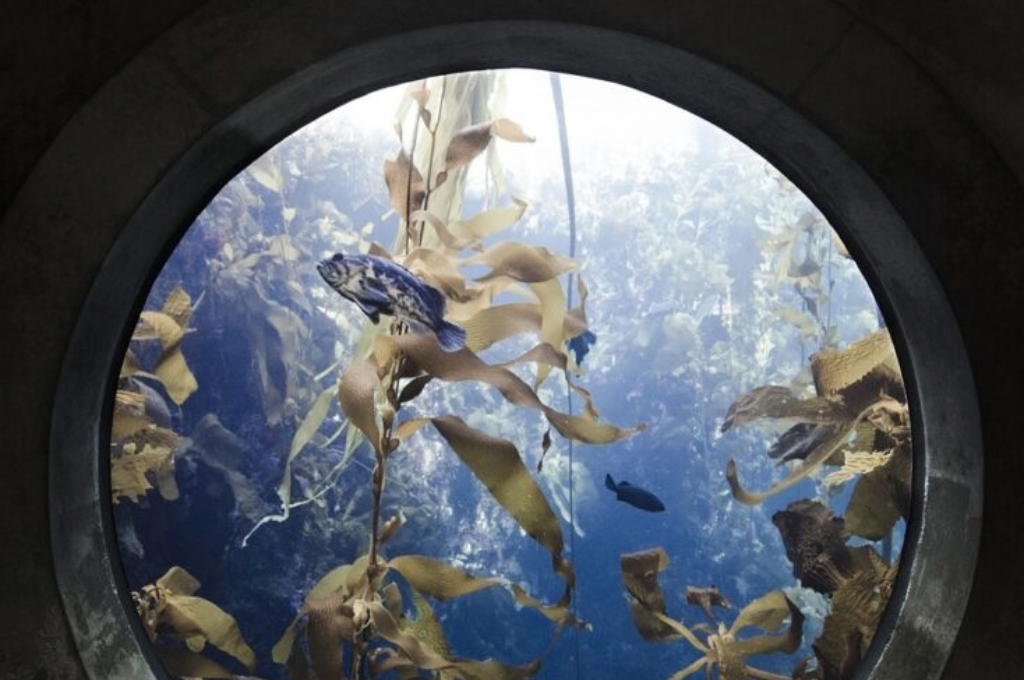
A group of students form a circle to discuss, conduct a lab experiment, or engage in another observable event while other students surround these students, observing the ongoing activity. Students should rotate places.

09.25.2026
Directed Paraphrasing
Students are asked to paraphrase part of a lesson for a specific audience and purpose, using words that are more accessible to a target audience (e.g., translate highly specialized information into language that clients or customers will understand).

09.25.2026
Crowd Crumple
Students write either a question or response to a question on scrap paper. The paper is then crumpled and thrown across the room to another student, who reads the question and offers a response. Crumple and rethrow several times to gather answers.
09.25.2026
Concept Map
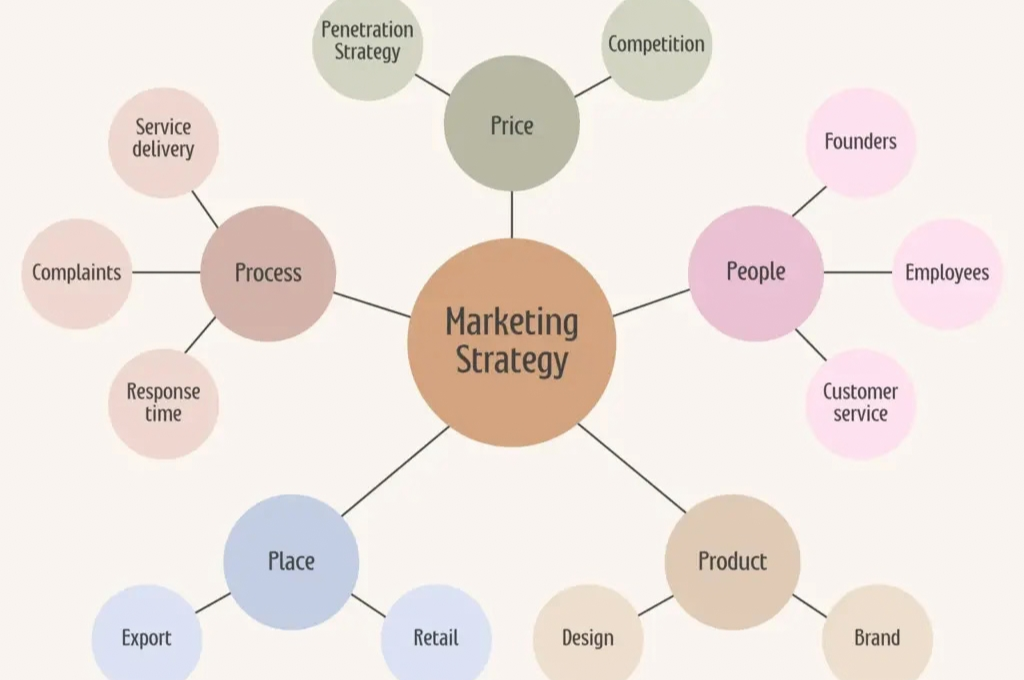
Concept maps are visual representations of relationships among various concepts. Ask students to produce a graphic representation of this relationship using pen and paper, whiteboards, post-its, or concept mapping software (e.g., Coggle)—video with details here.

09.23.2026
Chain Notes
During a lecture, the instructor pauses at critical points to allow students/learners to catch up on their notes and then exchange them with their neighbors to discuss information they may have missed or written down differently.