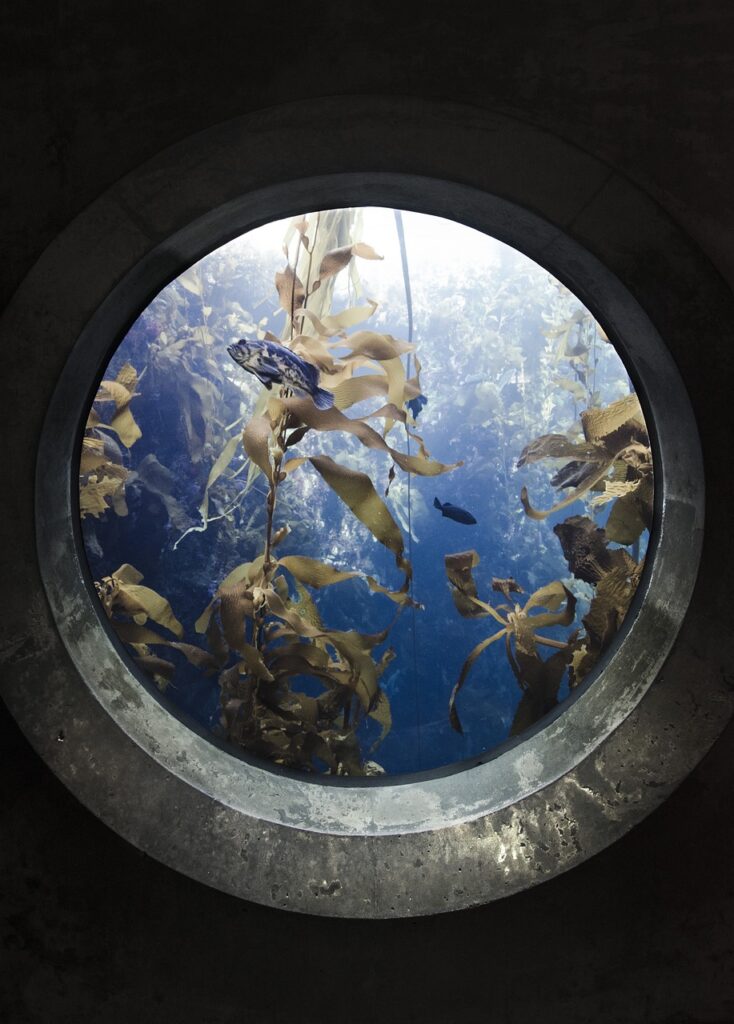
A group of students form a circle to discuss, conduct a lab experiment, or engage in another observable event while other students surround these students, observing the ongoing activity. Students should rotate places.
Co-Curricular (experiences outside of the formal classroom but contribute to student learning) Please contact us at activelearning@uga.edu with an example to include!
Universal Design for Active Learning
Universal Design for Active Learning UDL and active learning share a common goal: centering all students in the learning experience. When designing an activity, UDL‑informed instructors consider how the activity could be open to all students while preserving the core learning goal.
Physical Considerations Consider the physical layout of the classroom, as it may affect physical and sensory access. Adjust room layout to ensure all students can access the activity.
Timing & Pacing Allow observers adequate time to process before rotating. Avoid rapid role changes.
Social Interaction Allow students to prepare discussion points in writing before entering the inner circle.
Information Accessibility Provide discussion prompts in writing before the activity so students can prepare.
Ways to Participate/Express Allow verbal contribution in the inner circle or written observations from the outer circle.
Online Adaptations
Coming Soon!
Additional Resources
Intan, I. (2019). Applying Fishbowl Technique to Enhance Students’ Speaking Ability at Eleventh GradeStudent of SMA 1 TUTAR (Doctoral dissertation, IAIN Parepare): https://repository.iainpare.ac.id/id/eprint/1234/
Nisa, R. (2016). Cooperative Teaching-Learning using the Fishbowl Technique for teaching reading. English education journal, 7(3), 298-310: https://jurnal.usk.ac.id/EEJ/article/view/4585